Return on investment
Did you know, at least 90% of older people in care homes experience significant hearing loss?
Improving rating - enhancing reputation
When care providers are confident they are addressing hearing loss through comprehensive measures they should highlight it in their Provider Information Return (PIR) for the Care Quality Commission. This can provide excellent evidence for a good or outstanding rating in Responsiveness and Safety.
Marketing
With such a large proportion of our service users needing support with their hearing loss and hearing aids, it's an advantage to demonstrate in your marketing that you are proudly providing outstanding support in Hearing Loss. People choosing a service want to feel confident that they are going to a place that can properly support them.
Reduction in complaints
Hearing aid issues are a common source of complaints in care homes. This can include blocked tubes, dead batteries or improper usage. Residents will be seriously debilitated when their hearing aids are lost or being repaired. This can lead to anxiety and other mental health complications. By addressing these issues through the Engage program, complaints can be turned around to compliments and can be used for promotion and marketing. Staff and management time can be freed up not having to manage these complaints.
Staff training - contributes to reducing staff turnover.
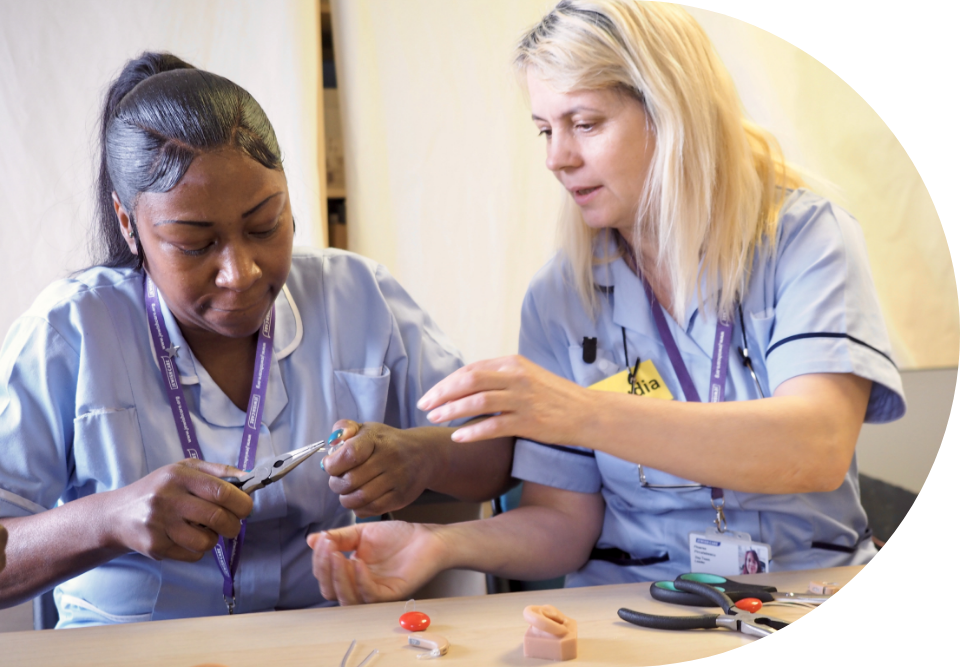
When staff are trained in supporting the 90% of service users with hearing loss, it has a positive impact on their sense of professionalism and morale, so they are more likely to stay.
Reduction in falls
By supporting people to address their hearing loss, this can lead to a reduction in falls. This in turn can reduce the amount of time spent on the reporting of and managing falls, including lengthy safeguarding investigations.
One home recently worked out that each fall costs around £12,000 in staff time to resolve.